The Fat Gap: Being Overweight has become O.K.

The Fat Gap

The Fat Gap

Your weight has been important since the moment you were born. Most babies weigh less than 10 pounds and sometimes as little as 3 or 4 pounds. However, even the tiniest babies quickly gain weight, to their parents pleasure, because this means their baby is growing bigger and stronger.

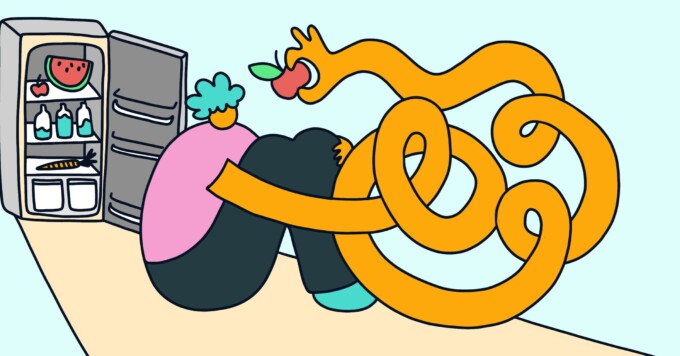
These days, being overweight is becoming increasingly common. In fact, some overweight people are classified as being in the “fat gap”. This means that they are clinically overweight, yet society fails to see it as thus and therefore the individual assumes that they don’t have a problem.

In the last 30 or so years, the number of children and teenagers becoming overweight has spiraled out of control. Some statistics peg the number at a threefold increase since 1980. Today, one out of 3 children between the ages of 2 and 19 either suffer from obesity or being overweight.

Suffering from obesity and being overweight can contribute to chronic illnesses and health problems. This is in addition to a host of psychological problems that can occur from being teased for their weight or being unable to keep up with their friends on the playground.

The burden of the overweight population and those suffering from obesity stretches to everyone one of us. Obesity is quickly catching up with smoking as the number one cause of preventable illnesses.

Obesity and being overweight means that there is an accumulation of excess fat on the body. Someone suffering from obesity has a BMI of over 30.

Controlling Obesity

1. The safest and most effective way to stop being overweight and controlling your obesity is to eat less and exercise more.

2. Hormones and drugs that increase the “resting metabolic rate” (RMR) have been successfully used to control obesity and overweight issues.

3. Weight-reducing drugs. One type decreases appetite and the other prevents dietary fats from being absorbed by the body. These drugs should only be taken with doctor’s advice, but they are also effective ways of controlling obesity and overweight issues.

4. Surgery. Surgical techniques can be used in cases of extreme obesity, also known as morbid obesity. The most common operation is having your stomach “banded” or stapled to reduce the amount of food you are able to intake.

5. Enzymes. Researchers at UC-Berkeley have zeroed in on an enzyme that plays a key role in regulating metabolism and weight in mice and say a drug that inhibits this target could do the same for people. Disabling the enzyme in mice resulted in their being able to remain lean and healthy despite being on a high-fat diet.

Obesity and being overweight

Obesity and being overweight

Obesity and being overweight

Globally, there are more than 1 billion overweight adults, and at least 300 million of them suffer from obesity. Both have reached epidemic proportions worldwide and both are major contributors to the global burden of chronic diseases and disabilities.

Obesity rates have skyrocketed since the 1980′s, up to three-fold in certain areas of the U.S. along with other industrialized nations, but it is also increasing exponentially in developing nations.

Why is driving the obesity and overweight epidemic?

The obesity epidemic reflects profound changes in society and in the behavioral patterns of society over recent decades. While genes are important in determining the proclivity of weight gain, it is dictated mostly by the energy balance between calorie intake and physical activity. Economic growth, modernization, urbanization, and globalization of the food industry is a major driving force behind the overweight and obesity epidemic. At the same time, there has been a movement towards less physically demanding work complemented by the use of automated transportation, time-consuming telecommunications technology in the home, and the pursuit of more leisurely past times. All of the above are factors in combating obesity and being overweight.

How bad is the problem?

Currently, there are more than 1 billion overweight adults. 300 million of them are clinically obese. Obesity levels range from below 5% in China, Japan, and some African nations, to over 75% in urban Samoa. But even in the lower spectrum of obesity, such as China, some cities boast obesity rates of over 20%.

Childhood obesity is also a driving factor. Worldwide, up to 22 million children under five are overweight. In the USA, according to the Surgeon General, the number of overweight children has doubled and the number of overweight adolescents has tripled since 1980.

Obesity accounts for 2-6% of total health care costs in several developed countries. The true costs are probably much greater as not all obesity-related conditions are calculated.

What can we do about it?

Prevention, weight loss and weight maintenance are the most important long-term strategies for fighting obesity. Other key elements include:

1. Creating a supportive environment through public policies and personal goals that promote the intake of a variety of low-fat, high-fiber foods, and opportunities for physical activity. (No more sitting on the bench for an entire phys-ed class.)

2. Promoting healthy behaviors to encourage, motivate, and enable individuals to lose weight, namely, through a better diet.

3. Mounting a clinical response to the existing burden of obesity and associated conditions by lawmakers and health care providers to ensure effective support and prevention for those most prone to becoming overweight.

Common Assumptions About Obesity and Being Overweight

Being Overweight

Being Overweight

We all know that obesity and being overweight contribute to an ever-increasing list of chronic illnesses. According to some studies, obesity and being overweight is quickly catching up to smoking as the number one cause of preventable chronic illnesses. It causes diabetes in young children and leads to lethargic lifestyles. Obesity and being overweight is overwhelming our health care budget. Some see it as a personal issue while others blame social and environmental factors. Any way you look at it, obesity and being overweight has become a focal point for concern.

But what if it’s not that big of a deal?

Take the case of Mary Anne Ferguson, a 58-year-old grandma. Today, she’s lifting weights at the YMCA, hoping to buy herself another 25 years.

“I want to live well into my 80′s or longer,” said the high-spirited grandma.

But Mary Anne stands only 5 foot 6 inches and weighs 186 pounds.

According to doctors’ charts, Mary Anne is actually just a smidgen away from suffering from clinically obesity and is certainly overweight. In addition, her cholesterol is high and her doctor is worried. Mary Anne is worried. But recent studies have claimed that we may worry too much. Take for instance these headlines in Newsweek and Globe and Mail, respectively, “You can be fat and healthy at the same time” or “Get Fat, Live Longer.”

Excuse me? Doesn’t this goes against all the common assumptions of obesity and being overweight.

According to David Feeney at the Kaiser Center for Health Research in Portland, “One of the things that happens as many people age, is that they start to lose weight and they are at risk of becoming very frail.”

He conducted a 12 year study on 11,000 Canadians and found that people who were overweight lived the longest, especially those over 60. So it’s actually riskier to be underweight in old age. You don’t want to be skin and bones when you get older, focusing on just mortality and disease statistics neglects several obvious downsides of being old and underweight. Frailty is a major issue and resilience seems to falter with weight as well.

This doesn’t mean you should sell your treadmill and relegate yourself to the couch during off-hours. Exercise in curbing complications associated with obesity and being overweight is still the best route to go, even if you don’t seem to be making any progress with your weight. In fact, studies show that compared to a normal weight couch potato, someone suffering from obesity or is overweight and walks for 150 minutes a week has a 50% lower risk of death. Exercise is truly a super-drug.

The following are some common complications associated with obesity and being overweight and all of them can be curbed with a steady work out routine.

1. Heart Disease – The most common and devastating side effect of obesity or being overweight.
2. Diabetes – Associated with the poor diet habits that cause obesity or one being overweight.
3. Sleep Apnea – A condition where you stop breathing, causing you to wake up suddenly
4. Respiratory problems – Similar to reasons for heart disease, the lungs are overworked in order to provide more oxygen where it needs to be faster. Plus, conditions such as high cholesterol in the arteries can make it harder for oxygen to move freely through your system.
5. Arthritis – A condition common to obesity and being overweight because of the added stress on joints.

School Lunches and The Childhood Obesity and Overweight Epidemic

School Kids

School Kids

It’s no question that American children are fatter today than they have ever been. It’s also a no-brainer that childhood obesity and overweight problems will costs us billions of dollars in the future. So why is the overweight issue being ignored by lawmakers at the federal and state levels? Although schools must follow federal standards for nutritional value in school lunches, new reports have found that school lunches need more fruits, veggies and a limit on calories to help prevent childhood obesity and overweight issues. Oftentimes, a school lunch’s nutritional value doesn’t even match up with the government’s own guidelines, despite the fact that the federal government subsidizes lunch and breakfast for needy kids in nearly every public school and many private ones.

The school lunch has seen its ups and downs. As food quality has gone down, childhood obesity and overweight problems have risen.

Under the Eisenhower and Nixon administrations, the budget for the National School Lunch Program was increased significantly, perhaps in an attempt to curb childhood malnourishment from depression-era children, but under the Reagan administration the school lunch budget was slashed by nearly $1.5 billion using revised nutritional guidelines that infamously attempted to classify ketchup as a vegetable.

However, today, according to Virginia Stallings of the Institute of Medicine, “Today, overweight children outnumber undernourished children, and childhood obesity is often referred to as an epidemic in both the medical and community settings.”

It’s clear we need a change.

As childhood obesity rates climb, attention is being directed towards school lunches as a possible solution to the problem. For millions of U.S. students, the school lunch, and sometimes breakfast, has been a staple since 1943. Children spend most of their childhood in school, so shouldn’t this be the first place we look to combat the overweight and childhood obesity epidemic?

In the 1980′s and 1990′s, there was a huge influx of school districts bringing in sugary soft drinks and snacks in exchange for a cut of the profit. In addition, McDonald’s, Pizza Hut, and Taco Bell are also cashing in on the opportunity to cater to a student population who are tired of bland pasta, meat patties, French fries, or overcooked vegetables. They are now available in more than half the schools in the U.S. It’s no surprise that rates of children who are overweight, suffering from childhood obesity, and diabetes are skyrocketing.

“We’re killing our kids,” said Texas Education Commissioner Susan Combs.

A report by the Physicians Committee for Responsible Medicine concluded that there were two essential categories for children’s nutrition in schools:

-Childhood obesity and chronic disease prevention
-Nutrition and healthy eating initiatives

It also compiled the following criteria to help reduce childhood obesity and overweight issues:

-Does the district meet USDA requirements?
-Are their vegetarian alternatives?
-Are their healthy egg-free or dairy-free alternatives?
-Is there a variety of healthy egg-free or dairy-free alternatives?

Nutritional value is also measured.

-Do lunches offer essential vitamins and minerals and adequate fiber?
-Do lunches offer nondairy beverages which can help meet the nutritional needs of children with lactose intolerance or milk allergies.
-Do schools offer fruits and vegetables, which are high in fiber and nutrients and low in fat and calories?

Schools are also measured on whether they provide nutrition education, both in the cafeteria and classroom and innovation in the cafeteria. Examples of innovation would be cooking classes, farm-to-school programs, and taste-testing promotions for healthier foods.

Some critics argue that even if you provide vegetables and fruits, many children won’t eat them unless they’ve been over-steamed, which drains nutrients, or are fruits in sugary syrups. They also argue that you can’t simply force it onto their plates because it will just end up in the garbage. But that’s where the education portion comes in. Teaching children about the dangers of being overweight and being afflicted with childhood obesity, and letting them come to terms with it if they are, is an essential step in the right direction. Apathy is not the key.

However, the fact of the matter is, childhood obesity and overweight rates have skyrocketed almost threefold since the 80′s, and diseases associated with old age, such as diabetes or high blood pressure and cholesterol, are also following suit. Could these health issues, including hyperactivity because of increased blood sugar levels, have anything to do with decreasing academic performance, especially among young boys, because children are more likely to eat unhealthily and not get enough exercise? Probably.

Childhood Obesity Epidemic

Conditions Associated with Being Overweight or Obese

Overweight or Obese

Overweight or Obese

Obesity is nothing short of an epidemic in the United States. In fact, the term “Fat Americans” yields no less than 52,400 web results, and over 5 million image results (one of a person “walking” their dog from their car) on Google.

While the initial concerns over obesity is usually about how you look and how you feel about yourself, but the fact is, the longer the problem exists for you the more medical problems are going to arise, many of which can be fatal.

Obesity is a growing concern especially because overweight rates have more than double among children and tripled among adolescents. Before you write off your child’s weight as nothing more than “baby fat” or “big boned” consider the following diseases and conditions that are directly attributed to obesity.

1. Diabetes – A disorder where the pancreas is producing not enough or sometimes not any insulin. Obesity and being overweight is one of the main causes due to the body having excess glucose due to overeating.

2. Cancer – In all it’s forms and types, could be prevented with more attention to eating healthy and avoiding obesity and being overweight.

3. Congestive Heart Failure – A condition in which the heart cannot pump enough blood to the body’s other organs.

4. Enlarged Heart – The result of the heart muscle being overworked which naturally happened when you are overweight or suffer from obesity.

5. Pulmonary Embolism – A sometimes fatal blockage of an artery. Obesity and being overweight often contribute to a lack of activity which over prolonged periods can result in an embolism.

6. Polycystic Ovarian Syndrome – A condition in which cysts form in your ovaries. These can burst causing further complications.

7. Gastro esophageal Reflux Disease – A common condition in overweight people, it is when stomach acid and juices flow from the stomach back up into the esophagus.

8. Fatty Liver Disease – A reversible condition in which large pockets of fat accumulate in liver cells. It is a single disease that occurs worldwide in people who intake excessive amounts of alcohol, suffer from obesity, or are overweight.

9. Erectile Dysfunction – The inability to develop or maintain an erection which can be caused by a medical problem associated with obesity or a psychological condition.

10. Urinary Incontinence – The inability to control ones urine. It is frequently associated with obesity and weak bladder or pelvic floor muscles.

11. Chronic Renal Failure – Also known as chronic kidney failure, is often associated with the poor diet of those who are overweight or suffering from obesity.

12. Stroke – A lack of blood supply as the body, especially the heart, must work harder when you are obese.

13. Depression – When a person feels sad all the time. This occurs, and is aggravated, for obvious self-esteem issues stemming from being overweight.

14. Osteoarthritis – Obesity often results in extreme cartilage wear due to excess weight.

15. Hernia – When the hole in the diaphragm weakens and enlarges.

Seven Steps to Help Your Child Overcome Obesity

Childhood Obesity

Childhood Obesity

When should you start becoming concerned about your child’s weight? Sure, all children gain weight and many grow into it well. But a few too many extra pounds, more than needed to support growth and development, can lead to childhood obesity.

Childhood obesity is clinically defined as when a child’s BMI exceeds 30. This is also the case for adult obesity. Childhood obesity is particularly troubling because diseases and illnesses associated with older people and adults, such as diabetes or high cholesterol, are becoming increasingly common in children.

The following are some jaw-dropping statistics compiled by the CDC on childhood obesity:

According to the CDC, 16 percent (or 9 million) of children ages 6-19 years old suffer from obesity, a statistic that has tripled since 1980. Another 15 percent were considered at risk of becoming overweight. That makes 18 million children in that age group suffering from obesity or at a high-risk for the condition.

In addition, the CDC also found that over the past three decades childhood obesity rate has more than doubled for preschool children aged 2-5 and adolescents aged 12-19 and has more than tripled for children aged 6-11. Overweight adolescents have a 70 percent chance of becoming obese and overweight adults.

One of the best strategies for combating childhood obesity is to improve the diet and activity levels of your entire family. The following is a series of steps to take in helping you child overcome obesity.

1. Have your child examined by a family doctor or pediatrician to rule out any medical causes for obesity and determine if your child can safely participate in vigorous physical activities.

2. Sit down with your whole family and talk about ways to become healthier that year. Be sure you don’t single out your obese child, but strive to make everyone feel and look better. Remember this, if a parent or both suffers from obesity, your overweight child has a 80% chance of growing up into obesity.

3. Don’t make succumbing to childhood obesity any easier for your child. Go through the pantry and refrigerator and throw out all junk food. Potato chips, pre-sweetened cereals, candy, cookies, ice cream, and sodas (try seltzer water with a little bit of juice). Don’t ban your kid from ever eating them, but not having them in the house will simply make it inconvenient to indulge. Forbidding these items completely will just make them more desirable.

4. If your child or even your family is suffering from obesity, limit fast food and pizza delivery to once a week. Meals prepared at home are generally lower in fat and sugar than fast food meals. To make it easier to always have home-cooked meals, use a crock pot the night before to create some really amazing dishes that will be ready the next day or partially prepare meals and freeze them. Many of the chronic illnesses associated with obesity are linked to a poor diet.

5. Try to avoid having your child come home to an empty house every day after school. Try a Boys & Girls Club if babysitting is out of your budget or try asking a neighbor. Children suffering from childhood obesity are often teased and bullied at school, resulting in there coming home and eating comfort food to make themselves feel better.

6. Get the whole family involved, especially if you all suffer from obesity, in a weekly or daily physical activity. Skate, walk, run, or bike, it doesn’t matter as long as every one picks one and does it. Even if you live in a neighborhood that isn’t conducive to nighttime outings (read: dangerous), pop in an exercise DVD or take advantage of tons of free online resources regarding obesity treatment. However, always ask a doctor if you and your family is healthy enough to participate in strenuous exercises.

7. Don’t let childhood obesity get your kid down. Always remind them of how much you love them for reasons besides appearance. Give your child opportunities to develop skills and talents to increase his self-confidence. Don’t let childhood obesity cause depression or social anxiety. Always support them.

The Childhood Obesity Epidemic

Childhood Obesity Epidemic

Childhood Obesity Epidemic

There is an obesity epidemic in the United States. This means that the number of people suffering from obesity has increased steadily in recent years. The root of this problem is often blamed on childhood obesity. According to recent data from the National Center for Health Statistics, approximately one child of every five in the U.S. suffers from obesity.

First, let’s cover what it means to be overweight.

You may think that you can look at someone and tell if they’re overweight, but this is not always true. In fact, obesity is not diagnosed simply by looking at someone, but by taking into account our individual body shape and then measuring our body mass index (BMI), which is calculated using a person’s weight and height. BMI gives an estimate of the amount of body fat relative to lean body mass.

What causes childhood obesity?

There is evidence that ties obesity to genetic factors, but personal behavior and dietary habits are probably the most important factors. Childhood obesity is often the result of children gorging themselves with an increasing amount of calories, especially calories from fat, than they need a day.

What are the complications of childhood obesity?

Besides the social difficulties, and the emotional issues that arise from thus, childhood obesity puts children at risk of health problems such as orthopedic problems, sleep disturbances, menstruation problems and diabetes. Some researchers have also suggested at a link between childhood obesity and asthma. In addition, children who suffer from childhood obesity are also more likely to suffer develop high blood pressure, high cholesterol, heart disease, arthritis, and certain kinds of cancers as adults.

Childhood obesity can also increase chances of being bullied and lead to a life of obesity. The obesity epidemic has extensive personal consequences and, inevitably, significant financial implications as well.

What can be done?

If you suspect your child suffers from childhood obesity, contact their pediatrician. Your child’s BMI will be compared with national growth charts to decide if he will be diagnosed with obesity. Your doctor will then suggest a target weight for your child.

Next, it’s time to sit down together as a family and make a plan. The whole family must be involved, especially if parents or siblings also suffer from obesity. Remember, the child does not make decisions regarding family meals and activities. In addition, refrain from approaching the problem with a “you are fat and need to lose weight” approach, but attempt to convey the idea that “we all need to eat right and be active so that we can be healthy.”

In addition to any changes made at home, be sure that the fight against obesity does not end the minute your child steps into school.

Schools have a responsibility to help students avoid obesity by encouraging them to become more active and eat better. The following are reasons why schools are having such a tough time battling obesity:
1. Soda and snack machines along with snack bars boast impressive financial incentives from their  suppliers.
2. School districts “in the red” are hard pressed for resources to create quality phys-ed programs
3. Increasing demand for higher academic achievement in core subjects

The rate of childhood obesity has skyrocketed since the 1980′s. While the immediate impacts are worrisome, the long-term effects on sustainable health care, general well-being and quality of life are profound. Obesity is a full-blown epidemic and it needs attention now.

Obesity and Overweight – A Treatment Overview

Treatment Overview

Treatment Overview

Treatment for obesity and overweight will be most successful if you create a long-term plan and set reasonable goals with your doctor. Your initial goal should be to improve health, not to achieve an ideal weight. People with clinical obesity or overweight can actually be healthier, when measuring factors such as heart recovery following exercise, than sedentary normal-weighted people.

Although the formula for curing obesity and overweight seems simple, burn more calories than you take in, sounds simple, it is awfully difficult in practice, especially, if a person has lost weight before only to gain it back and then some. As a result, surgery and medication is becoming increasingly popular for people suffering from obesity and overweight. However, health guidelines suggest that people should attempt to make lifestyle changes for at least 6 months before trying surgery or medication to solve their obesity or overweight.

1. Initial Treatment

Be realistic, if you don’t think you are ready to lose weight, focus on improving your health and not gaining any weight. Obesity and overweight is more readily being seen as the end-result, not catalyst, of poor health.  Improve your health and your overweight problem should soon follow suit.

I. Eating Right
Aim for a goal of 1200-1800 calories a day. Research shows that limiting calories, not food types, cause you to
lose more weight. Eat foods that you enjoy, just remember to control portion sizes.

II. Increase Physical Activity
Physical activity helps you burn more calories. One of the best ways to increase your activity is simply walking.
It is an activity you can do safely and routinely alone and is easy to work into the daily schedule. Try using a
step counter as a motivation to improve. Consult your doctor for a moderate and vigorous exercise regiments
and if it is safe for you to do them.

III. Stick With It
There are so many factors that can make us stray from our plans. So start keeping track of everything: start a
food journal, count your steps, track calories burned and factor it into your daily calorie intake. As they say,
seeing is believing and simply looking at the progress you’ve made can be the motivating factor to push you
into the next day. Just remember, battling obesity and overweight may take just as long to heal as it took to
accumulate.

2. Ongoing Treatment

See your doctor after 6 months or so to get an accurate reading on your progress. Some people stop losing weight around this time, because their bodies adjust to the fewer calories, and this effects morale. Your doctor may recommend that you increase your activity and revisit a dietician or nutritionist to further alter your diet. At this point, your goal may switch from losing weight to keeping the weight off. Don’t be discouraged, you have made substantial progress in the battle against obesity and overweight at this point.

In addition, if you cannot lose weight or keep the weight off, it may be time to consider medicines to supplement your new lifestyle change. Remember, medicines without lifestyle changes only result in short-term results at best.

3. Treatment If The Condition Gets Worse

If you’ve made a lifestyle change, but your obesity continues to get worse, it may be time to consider surgery and medicines. The following treatment options are available:

I. Stomach stapling or gastric banding – Both make your stomach smaller and are reversible surgeries.
II. Roux-en-Y bypass or biliopancreatic diversion – Makes your stomach smaller as well, but also limits how much
food is absorbed in the small intestine.

Obesity Statistics are Seriously Flawed

Obesity Statistics

Obesity Statistics

A 2003 Food and Drug Administration hearing on obesity had the Center for Consumer Freedom discussing how the three most commonly used statistics associated with the overweight and obesity epidemic are all seriously flawed. The three statistics are: 1) Obesity causes 300,000 deaths a year; 2) 61 percent of Americans are overweight or suffering from obesity; and 3) the economic cost of obesity is $117 billion a year.

A New England Journal of Medicine article in 1998 found that “although some claim that every year 300,000 deaths in the United States are caused by obesity, that figure is by no means well established… [and] is derived from weak [and] incomplete data.” Likewise, the assertion that 61 percent of Americans are overweight or suffering from obesity completely ignores the 1998 redefinition that took the counter-intuitive step of judging men and women by the same standard, thereby creating 30 million new Americans became overweight over night, this included the very fit president at the time.

As for the $117 billion a year on overweight and obesity-related complications figure, it was often said to have come from the Surgeon General himself, but as CCF’s testimony revealed, it was actually an excerpt from a study published in the journal Obesity Research. It admitted that, “We are still uncertain about the actual amount of health utilization associated with overweight and obesity,” they also added, “Height and weight are not included in many of the primary data sources…”

To nail the coffin on this figure, the authors also admitted that their flawed methodology in calculating the cost of overweight would inflate the cost estimate, resulting in a double or triple counting of the costs of overweight and obesity. It assumed conditions such as hypertension, diabetes, heart disease, and a host of others were occurring independently when there is irrefutable evidence of the interdependence among these diseases.

It’s authors also incorrectly defined obesity, citing a BMI greater than or equal to 29, when the actual definition is greater than or equal to 30, thus incorrectly including an additional 10 million Americans to their obesity statistic.

The bottom line is being a few pounds overweight doesn’t mean you can’t be fit.

Consider the benefits of being overweight (and active), compared to normal-weight and inactive, as you get older:

1) One German study found that overall mortality is unchanged by overweight, but increased by 20% for obesity, and extreme obesity raises it by up to 200%. As people grow older, it becomes less of a factor.

2) The same study found that a larger BMI lowers the risk of bone and hip fracture.

3) A revised CDC report in 2005 found that contrary to the previous year’s report of 400,000 deaths associated with obesity, the actual number was at about 25,814 as a result of overweight and obesity.

4) Compared to a normal-weight couch potato, someone who is overweight and walks for 150 minutes a week has a 50% lower risk of death

5) A 12 year study of 11,000 Canadians found that people who were overweight lived the longest, especially if they were over the ago of 60.